
Optimize Your Logistics with Real-Time Tracking Services
In today's fast-paced world, logistics is more than just moving goods from one place to another. It’s about ensuring that every step of the supply chain is efficient, transparent, and responsive. One of the most effective ways to achieve this is through real-time tracking services. These services not only enhance visibility but also improve customer satisfaction and operational efficiency.
Understanding Real-Time Tracking Services
Real-time tracking services utilize GPS technology and advanced software to provide up-to-the-minute information about the location and status of shipments. This technology allows businesses to monitor their logistics operations closely, ensuring that they can respond quickly to any issues that arise.
How Real-Time Tracking Works
GPS Technology: Each shipment is equipped with a GPS device that transmits its location to a central system.
Data Integration: The tracking data is integrated into a logistics management system, allowing for real-time updates.
User Access: Both businesses and customers can access this information through web portals or mobile applications.
Benefits of Real-Time Tracking Services
Enhanced Visibility: Businesses can see where their shipments are at any given moment.
Improved Customer Satisfaction: Customers appreciate knowing exactly when their orders will arrive.
Reduced Costs: By optimizing routes and reducing delays, companies can save on fuel and labor costs.
Better Decision-Making: Real-time data allows for quicker adjustments to logistics strategies.
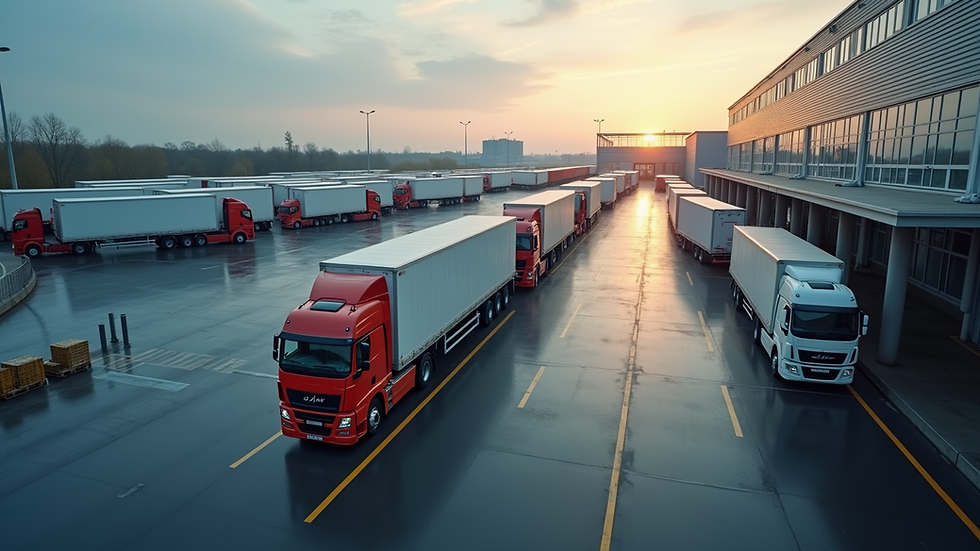
The Importance of Real-Time Tracking in Logistics
In logistics, timing is everything. Delays can lead to increased costs and dissatisfied customers. Real-time tracking services play a crucial role in mitigating these risks by providing timely information that helps businesses make informed decisions.
Case Study: A Retail Company
Consider a retail company that implemented real-time tracking services. Before adopting this technology, they faced frequent delays and lost shipments. After integrating real-time tracking, they were able to reduce delivery times by 30% and improve customer satisfaction ratings significantly. Customers could track their orders in real-time, leading to fewer inquiries and complaints.
Key Features to Look For
When choosing a real-time tracking service, consider the following features:
User-Friendly Interface: The system should be easy to navigate for both staff and customers.
Mobile Access: Ensure that the tracking service is accessible via mobile devices.
Alerts and Notifications: Look for services that provide automatic alerts for delays or issues.
Integration Capabilities: The service should easily integrate with existing logistics management systems.
Implementing Real-Time Tracking Services
Implementing real-time tracking services requires careful planning and execution. Here are some steps to consider:
Step 1: Assess Your Needs
Evaluate your current logistics operations to determine what you need from a tracking service. Consider factors such as shipment volume, types of goods, and customer expectations.
Step 2: Choose the Right Provider
Research different tracking service providers and compare their features, pricing, and customer reviews. Look for a provider that aligns with your specific needs.
Step 3: Train Your Team
Once you’ve selected a provider, ensure that your team is trained on how to use the new system effectively. This training should include how to access tracking information and respond to alerts.
Step 4: Monitor and Adjust
After implementation, continuously monitor the system's performance. Gather feedback from your team and customers to identify areas for improvement.
Real-Time Tracking and Customer Experience
In the age of e-commerce, customer expectations are higher than ever. Real-time tracking services can significantly enhance the customer experience by providing transparency and reliability.
Building Trust with Customers
When customers can track their shipments in real-time, it builds trust. They feel more in control and are less likely to worry about the status of their orders. This transparency can lead to increased loyalty and repeat business.
Example: A Food Delivery Service
A food delivery service that implemented real-time tracking saw a 25% increase in customer retention. Customers appreciated being able to see when their food would arrive, which reduced anxiety and improved their overall experience.
Challenges of Real-Time Tracking Services
While the benefits of real-time tracking services are significant, there are also challenges to consider.
Data Privacy Concerns
With the collection of real-time data comes the responsibility to protect that data. Businesses must ensure that they comply with data protection regulations and maintain customer trust.
Technology Dependence
Real-time tracking relies heavily on technology. Any system failures or outages can disrupt operations and lead to customer dissatisfaction. It’s essential to have backup plans in place.
Future Trends in Real-Time Tracking
As technology continues to evolve, so too will real-time tracking services. Here are some trends to watch for:
Integration with AI and Machine Learning
The integration of AI and machine learning can enhance real-time tracking services by predicting delays and optimizing routes based on historical data.
Increased Use of Drones and Autonomous Vehicles
The use of drones and autonomous vehicles for deliveries is on the rise. Real-time tracking will be crucial in managing these new delivery methods effectively.
Enhanced Customer Interfaces
Future tracking services will likely offer even more user-friendly interfaces, allowing customers to interact with the tracking system seamlessly.
Conclusion
Real-time tracking services are transforming the logistics industry by providing enhanced visibility, improving customer satisfaction, and reducing costs. By implementing these services, businesses can stay competitive in a rapidly changing market.
To take the next step, evaluate your logistics operations and consider how real-time tracking can benefit your business. The future of logistics is here, and it’s time to embrace it.

Comments